
What Is Shockwave Therapy? A Practical Guide for Joint and Tendon Pain
Living with joint or tendon pain can be exhausting, especially when it disrupts work, movement, and daily comfort. Many people try rest, stretching, and basic conservative care, only to find that the pain returns the moment they increase activity. Shockwave therapy has emerged as a modern, non-invasive option that may help when traditional approaches haven’t offered enough relief.
At Rebound Clinics DMV, our team uses shockwave therapy as part of a carefully designed, evidence-informed treatment plan. This guide explains what shockwave therapy is, how it works, and what you can expect if you’re considering it.
What Is Shockwave Therapy?
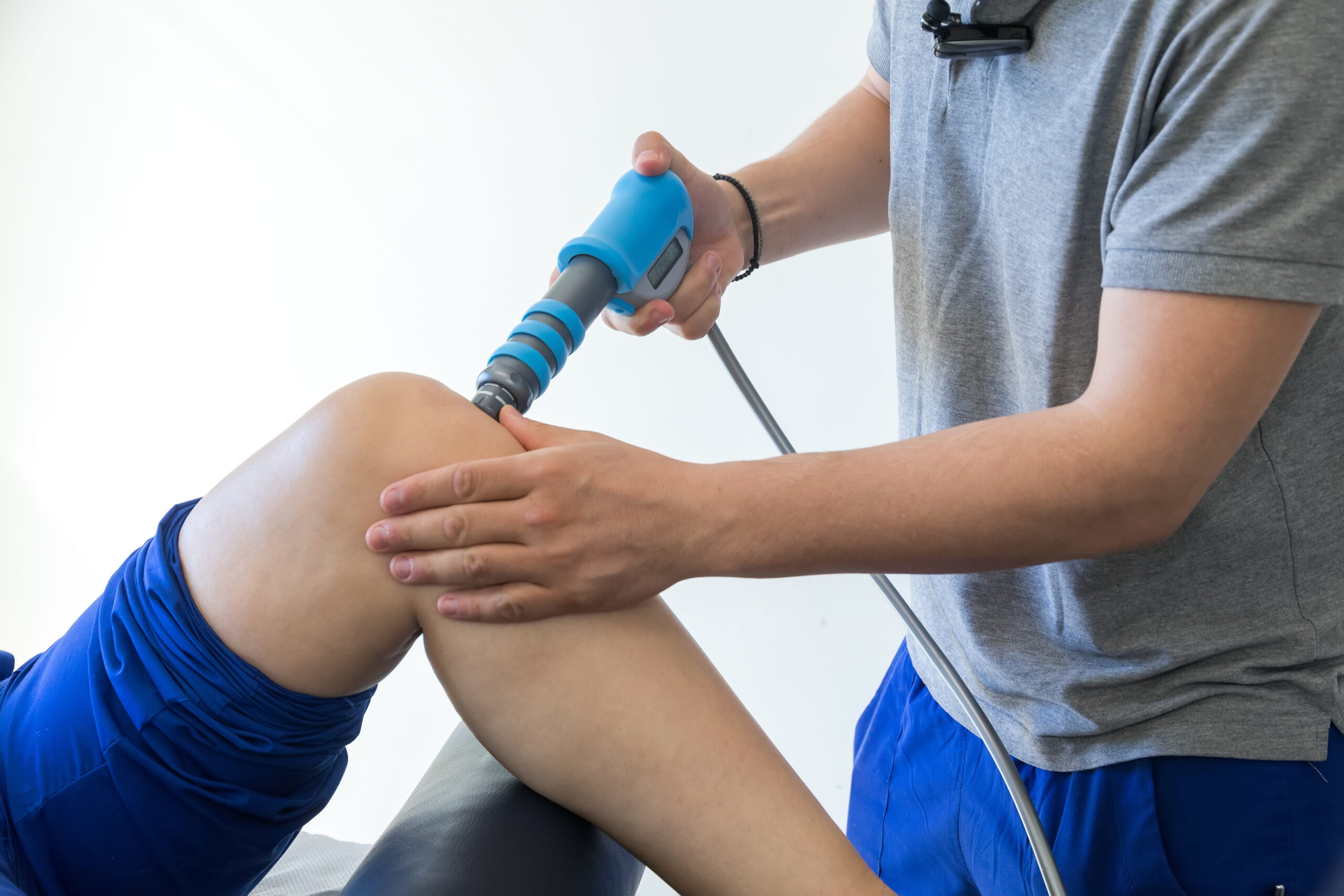
Shockwave therapy, formally known as extracorporeal shock wave therapy (ESWT), uses controlled acoustic waves to stimulate tissue repair. These sound waves travel through a handheld device and into the affected area, where they encourage circulation and activate the body’s natural healing response.
Although it sounds high-tech, treatment is simple, non-surgical, and performed in-office. Most sessions are short and focused on specific areas such as the heel, elbow, shoulder, or Achilles tendon.
How Shockwave Therapy Works
Shockwave therapy supports healing through mechanical stimulation. As the acoustic waves interact with tissue, they increase local blood flow and may reduce sensitivity in irritated structures. Over time, this can help strengthen the injured area and support improved mobility.
Another important aspect is that shockwave therapy fits seamlessly into a broader care plan. At our clinics, it is often paired with chiropractic care, therapeutic exercise, or physical rehabilitation to help patients progress more effectively and safely.
Common Conditions Shockwave Therapy May Help
Shockwave therapy is often used for injuries that have become stubborn or slow to heal. Two of the most common examples are plantar fasciitis and Achilles tendinopathy, both of which involve thick, irritated connective tissue that doesn’t always respond well to rest alone. It can also support recovery for chronic elbow pain, patellar tendinopathy, and certain shoulder issues.
While shockwave therapy is versatile, the key question is whether it matches your specific needs—which is why a proper evaluation is essential before beginning treatment.
Who May Benefit and Who May Not
People with long-lasting or recurring tendon and joint pain are often good candidates, especially when discomfort has persisted for several weeks or months. It’s also an appealing option for individuals looking for non-invasive alternatives before considering injections or surgery.
There are situations where shockwave therapy is not recommended, such as active infections, certain circulatory or nerve conditions, or areas with open wounds or healing fractures. Your provider will review your medical history, symptoms, and goals to determine the safest and most appropriate approach.
What a Session Feels Like
A typical session lasts about ten to fifteen minutes. Most patients describe the sensation as rhythmic tapping or pulsing on the skin. Some areas feel more sensitive than others, but intensity is adjustable. Mild soreness afterward is normal and usually fades within a day or two.
The number of sessions needed varies. Many patients complete a series of weekly visits, with progress building gradually as part of a larger rehabilitation plan.
Benefits of Shockwave Therapy
Many people choose shockwave therapy because it offers a non-surgical, drug-free option for persistent musculoskeletal pain. Patients often report improved movement, reduced discomfort, and better function over time. Results differ from person to person, but shockwave therapy can be a meaningful addition to a comprehensive recovery program.
How We Use Shockwave Therapy at Rebound Clinics DMV
Our approach is always personalized. Shockwave therapy is never offered as a standalone cure—it is one piece of a thoughtful plan designed around your daily activities, job demands, and long-term health goals. This may include chiropractic adjustments, therapeutic exercise, or physical rehabilitation depending on what your evaluation shows.
We focus on restoring function safely and gradually, providing both treatment and the guidance needed to maintain results.
Your First Visit: What to Expect
Your first appointment includes a conversation about your symptoms, lifestyle, and medical history, along with an orthopedic and functional assessment. If shockwave therapy is appropriate, your provider will explain how it works, what to expect during and after treatment, and how it will fit into your individualized care plan.
We also review cost and scheduling so you have a clear understanding before getting started.
Final Thoughts
Shockwave therapy is a practical, non-invasive option for many people dealing with chronic tendon or joint pain. While it isn’t a quick fix or a universal solution, it can play an important role in a structured recovery plan—especially when conservative treatments haven’t offered enough improvement.
If you’re curious whether shockwave therapy could help you move more comfortably, our team at Rebound Clinics DMV is here to guide you.
Contact Us
To learn more about shockwave therapy or schedule a consultation, contact your nearest Rebound Clinics DMV location. We’re here to help you take the next step toward feeling and functioning better.
