
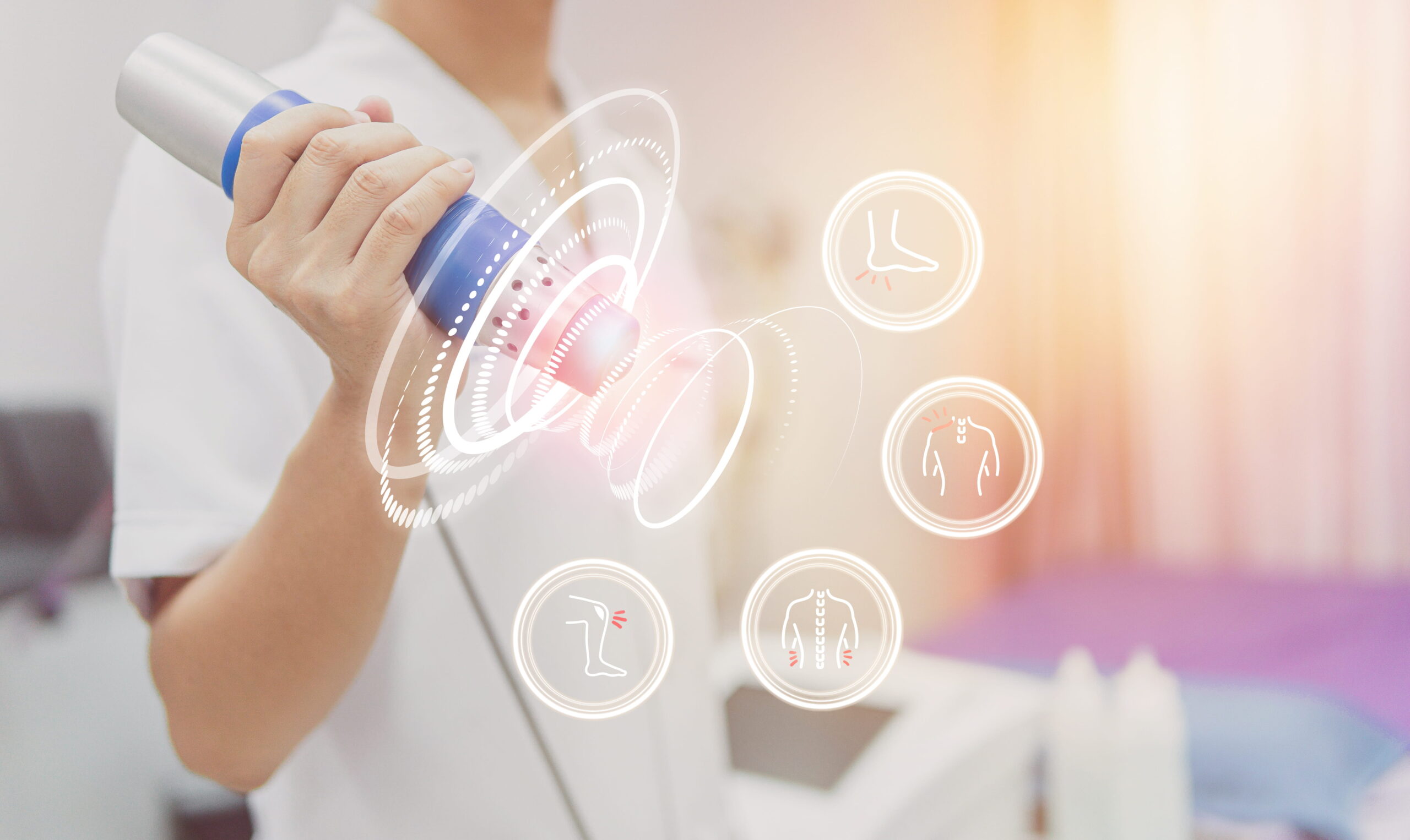
Any time a treatment becomes popular, people want to know whether it’s safe. That question matters even more when you’re dealing with ongoing pain that hasn’t responded to stretching, rest, or basic care. Shockwave therapy has gained attention because it offers a non-invasive way to support healing in stubborn musculoskeletal conditions. But like any treatment, it’s important to understand how it works, what the risks are, and whether it’s appropriate for your specific needs.
At Rebound Clinics DMV, we take a safety-first approach with every patient. This article explains what you should know before starting shockwave therapy.
How Safe Is Shockwave Therapy?
Shockwave therapy has been used for many years and is considered a safe, low-risk procedure when performed by trained providers. The treatment uses controlled acoustic waves delivered through a handheld instrument. These waves stimulate tissue repair, support circulation, and influence pain signaling—without surgery, injections, or medication.
Most sessions are well tolerated, and the sensations during treatment are usually described as tapping or pulsing. The intensity is adjustable, allowing providers to make the experience more comfortable when treating sensitive areas.
Common and Expected Side Effects
Like any physical therapy or manual treatment, mild and temporary side effects can occur. These are usually limited to the area being treated and tend to fade quickly. Some patients experience:
- Mild soreness or tenderness in the treated region
- Temporary redness or sensitivity in the surrounding tissue
These effects often resolve within 24 to 48 hours. Many people compare the sensation afterward to the feeling that follows a productive workout or deep soft-tissue session.
Who Should Avoid Shockwave Therapy
Although shockwave therapy is safe for most adults, there are situations where it is not recommended. Your provider may suggest alternative treatments if you have:
- Certain circulatory or nerve conditions in the target area
- An active infection, open wound, or healing fracture near the treatment site
Patients taking specific anticoagulant medications, or those with tumors in the area of concern, may also need different forms of care. This is why a full evaluation and medical history review are essential before starting treatment.
What Happens During a Safety Screening
Your first visit includes a detailed assessment to determine whether shockwave therapy is appropriate. This involves questions about your symptoms, work or activity demands, prior treatments, and general health. We may perform orthopedic, functional, and movement-based testing to identify the underlying issue and confirm that shockwave therapy is a safe option.
This process ensures you receive the right treatment—not just a treatment.
Why Experience and Technique Matter
The safety and effectiveness of shockwave therapy depend heavily on proper use. At Rebound Clinics DMV, our providers tailor the intensity, frequency, and location of treatment based on your diagnosis and tolerance level. The goal is to stimulate healing without causing unnecessary irritation. Delivering the therapy with precision minimizes side effects and improves outcomes.
What to Expect After Treatment
Most people return to normal daily activities immediately. If the treated area feels tender, we may recommend avoiding high-impact exercise for a short period. Any soreness usually fades quickly, and relief typically builds across several sessions as the tissue responds.
If you ever experience discomfort that feels unusual for you, our team is always here to provide guidance.
Is Shockwave Therapy Right for You?
Shockwave therapy may be a good fit if you have ongoing tendon or joint pain that hasn’t responded to rest or conservative care. It can support recovery in conditions like plantar fasciitis, Achilles tendinopathy, chronic elbow issues, and other hard-to-treat musculoskeletal problems. However, the only way to know for certain is to discuss your symptoms with a qualified provider who understands the unique demands of your work, activity level, and daily routine.
Final Thoughts
Shockwave therapy is a safe, non-invasive option for many people dealing with chronic musculoskeletal pain. While it isn’t appropriate for everyone, careful screening and professional guidance make it a reliable addition to comprehensive treatment plans. Understanding the risks and benefits empowers you to make informed choices about your health.
If you’re considering shockwave therapy, our team at Rebound Clinics DMV is ready to help you explore whether it’s the right step for your recovery.
Contact Us
To schedule a consultation or learn more about whether shockwave therapy is safe for your specific situation, contact your nearest Rebound Clinics DMV location.
