Overview Federal employees who experience sudden, identifiable physical accidents during their employment fall under the administrative category of traumatic injuries. A common example of this incident type is a slip, trip, or fall occurring on federal property. The Federal Employees’ Compensation Act (FECA) establishes specific reporting requirements and timelines for these events. Proper administrative handling …

reboundclinics
Overview Federal employees in active, physical roles frequently encounter musculoskeletal challenges. Roles that involve continuous material handling, baggage screening, or mail distribution place specific mechanical demands on the human body. Over time, these demands can result in repetitive strain injuries (RSIs). Within the federal workers’ compensation system, an RSI is generally classified as an occupational …
Overview The administration of federal workers’ compensation claims relies entirely on the submission and review of specific documentation. The Department of Labor’s Office of Workers’ Compensation Programs (OWCP) manages this documentation primarily through a digital platform known as the Employees’ Compensation Operations and Management Portal, commonly referred to as ECOMP. This portal serves as the …
Overview The Federal Employees’ Compensation Act (FECA) provides specific guidelines regarding medical care for workplace injuries. A central component of this framework is the designation of an attending physician. Federal administrative rules grant employees the initial right to select their primary treating physician after a workplace injury. However, individuals often find it necessary to transfer …
Overview Federal employees who experience injuries during their employment must navigate specific administrative classification systems. The Federal Employees’ Compensation Act (FECA) establishes the legal framework for these categories. These administrative systems distinguish between a single-event incident and long-term physical wear. Proper classification provides the necessary foundation for employment-related injury documentation. Understanding how injuries are categorized …
When pain hangs on for months, it can be difficult to know what to try next. You may have already rested, stretched, changed shoes, modified your workouts, or adjusted your daily habits—yet the discomfort continues to return. Shockwave therapy has become a meaningful option for people facing stubborn tendon or joint pain, but it’s not …
When you’re exploring treatment options for long-lasting tendon or joint pain, it’s natural to wonder about cost and whether insurance helps cover shockwave therapy. Because every patient’s condition is different—and insurance rules vary—it can be difficult to find clear, trustworthy information. At Rebound Clinics DMV, we believe cost transparency is an important part of helping …
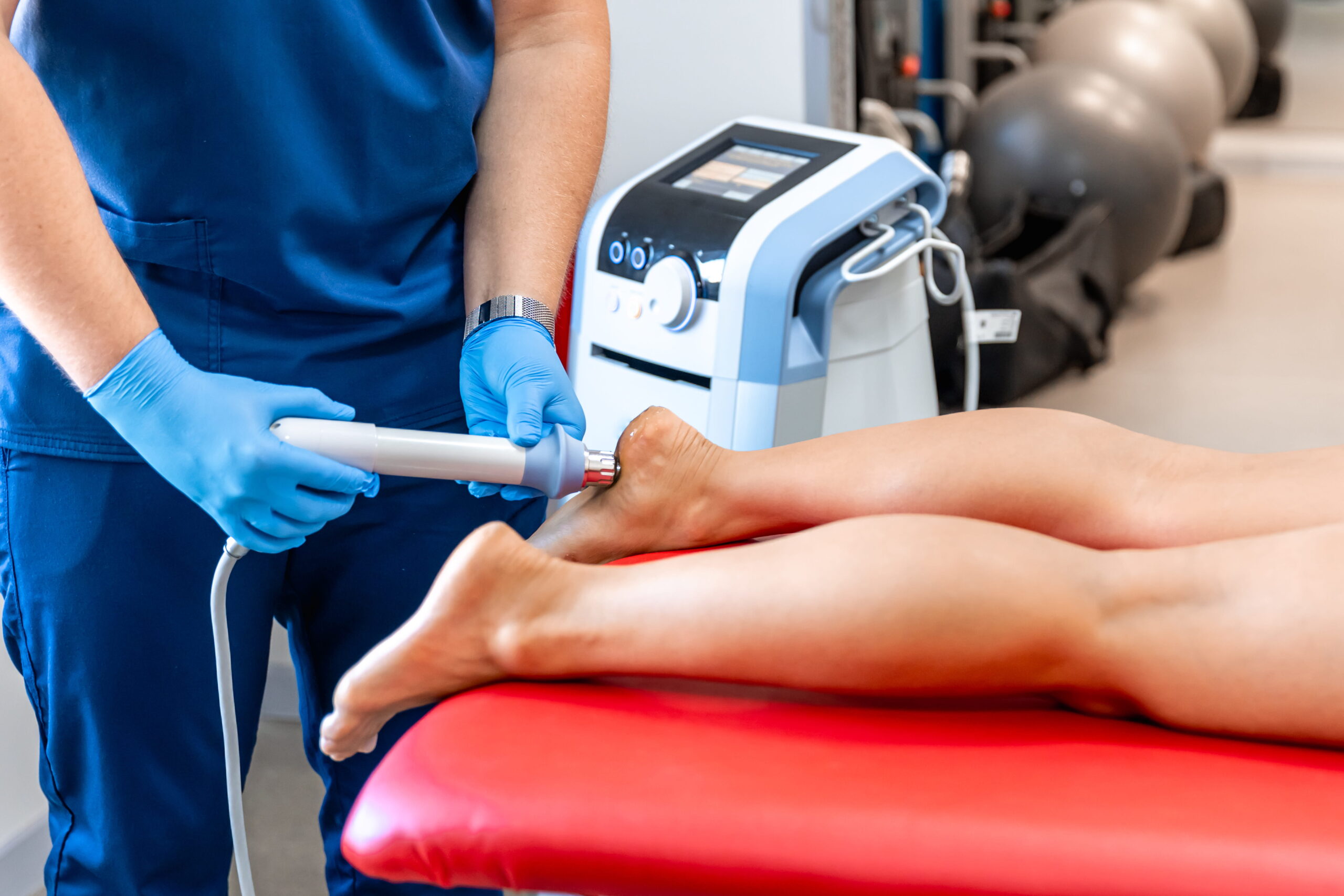
Trying a new treatment can bring uncertainty, especially when you’ve been dealing with persistent pain that hasn’t improved with basic care. Shockwave therapy is a straightforward, non-invasive option that many patients consider when they want relief without injections or surgery. Knowing what will happen during your first visit can help you feel more prepared and …
Work-related injuries can be incredibly disruptive, especially for federal employees whose job duties often involve repetitive motion, long hours on their feet, lifting, or high physical demands. Tendon and joint issues are among the most common problems federal workers face, and these conditions can linger even after rest or basic treatment. Shockwave therapy has emerged …
Musculoskeletal pain is rarely the result of a single issue, and most people need more than one type of treatment to experience meaningful, long-term improvement. That’s why Rebound Clinics DMV uses an integrated approach to care. Shockwave therapy plays an important role in this model—not as a standalone cure, but as one tool among many …